
Views: 0 Author: Site Editor Publish Time: 2026-05-29 Origin: Site


In the high-stakes world of fine jewelry, particularly with 18k and 24k gold, the packaging is far more than a container. It is a psychological extension of the precious metal itself. When a customer spends thousands of dollars on a gold necklace or a pair of diamond-encrusted earrings, the weight, texture, and even the sound of the jewelry box opening contribute to the perceived value of the purchase.
In 2026, the luxury jewelry market is undergoing a fundamental shift. Brands are moving away from generic velvet boxes toward engineered, brand-specific packaging that prioritizes security, sustainable luxury, and a curated unboxing experience. For B2B buyers and jewelry brand owners, understanding the technical nuances of luxury packaging—from anti-vibration inserts to the GSM of specialized paper—is the key to reducing returns and building multi-generational brand loyalty. This 2000-word deep-dive explores how the right packaging strategy can optimize your supply chain and elevate your brand positioning in the global market.
Luxury is a multi-sensory experience. For gold jewelry, the "feel" of the packaging must match the density and prestige of the metal. If the box feels light or the fabric feels thin, it creates "cognitive dissonance"—the brain tells the customer that the product inside might not be as valuable as the price tag suggests.
High-Pile "Royal" Velvet: Historically, velvet has been the gold standard for precious metals. The way its dense fibers absorb light creates a deep, matte background that allows the yellow luster of gold to "pop" visually. In 2026, we are seeing the rise of anti-static, high-pile velvet. This material is engineered to resist dust and fingerprints, ensuring the display remains pristine in high-traffic retail environments.
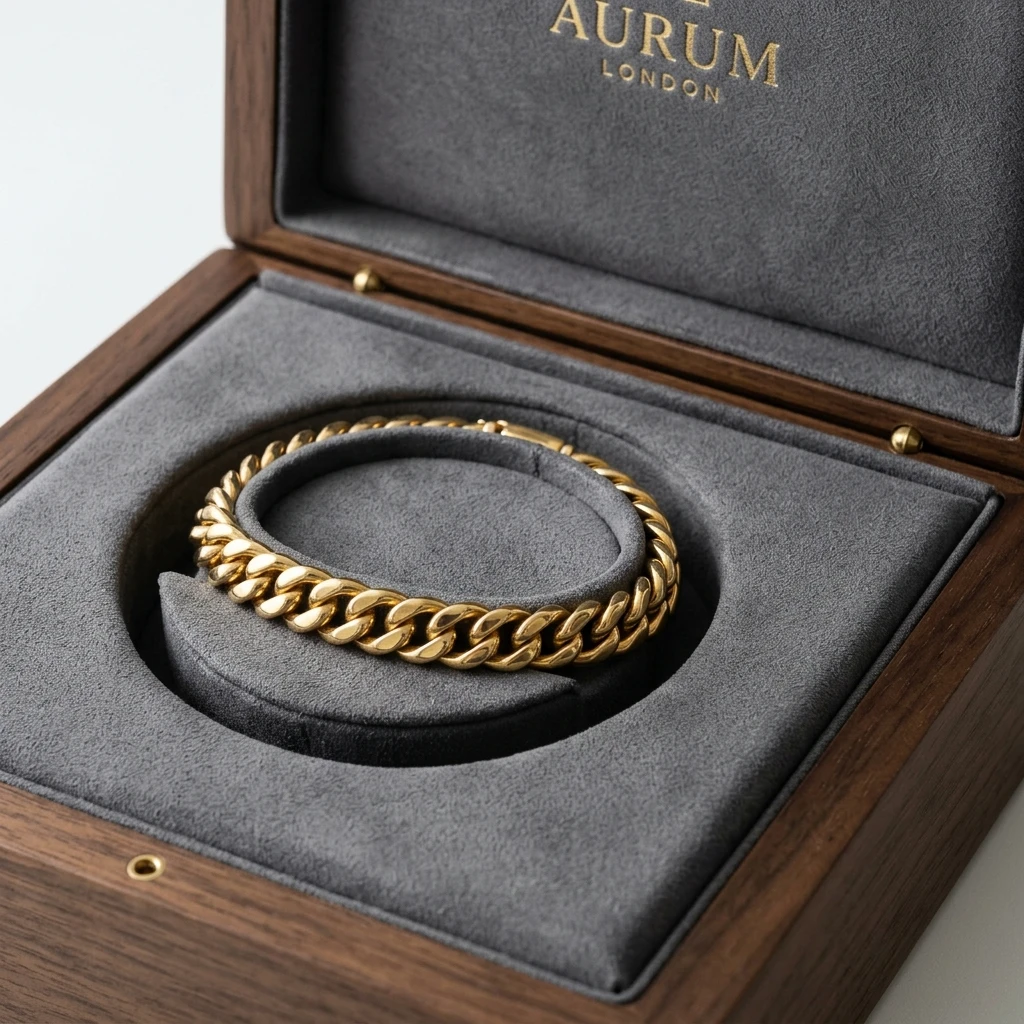
Technical Suede/Microfiber: This is the modern challenger. Microfiber offers a sophisticated matte finish and is significantly more durable than traditional silk or low-grade velvet. Crucially for gold jewelry, high-end microfiber is non-abrasive and lint-free. Soft gold alloys (like 22k) are prone to micro-scratches; microfiber provides a protective cocoon that prevents surface degradation during long-haul shipping.
For "Hyper-Luxury" collections, many brands are opting for PU leather (vegan leather) wrappers. These materials allow for deep embossing and intricate stitching details that paper cannot achieve. A PU leather exterior paired with a microfiber interior creates a "Hybrid Luxury" effect that justifies price points in the $5,000+ category.
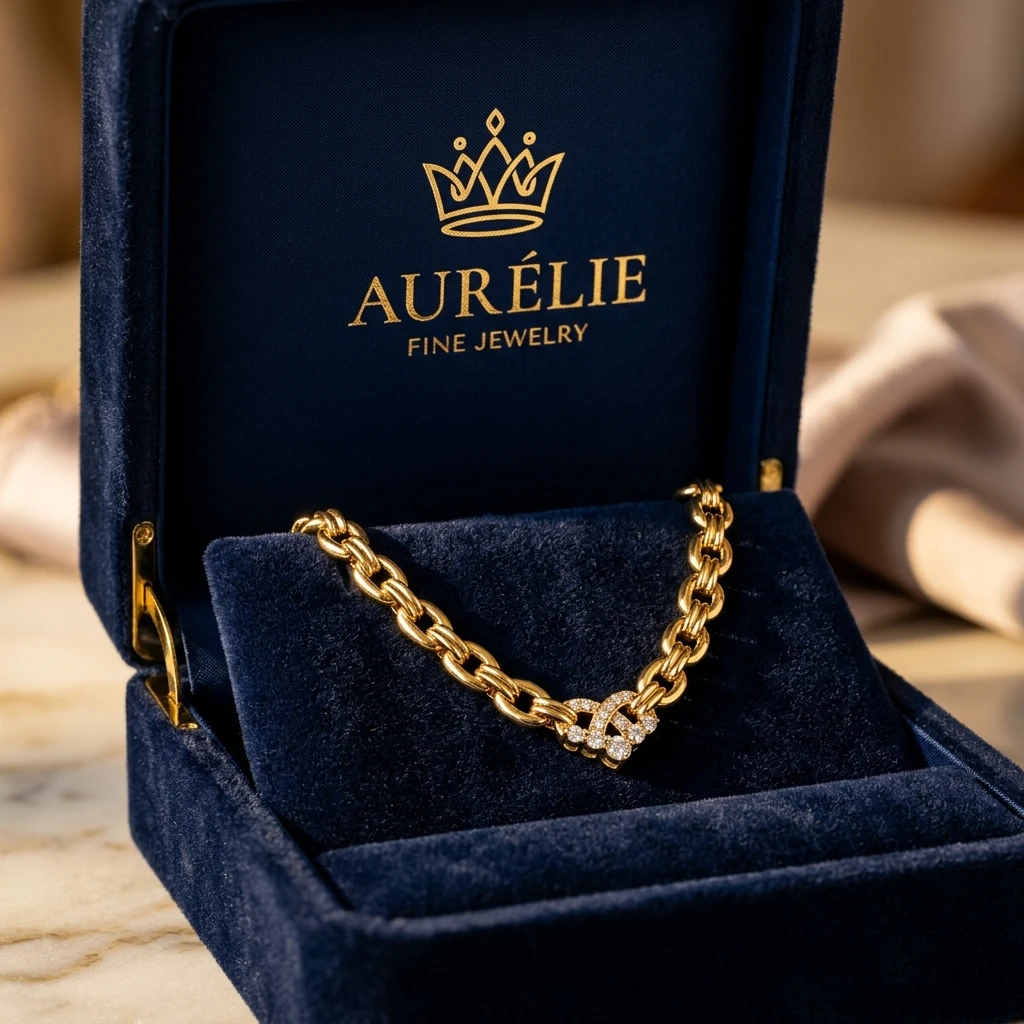
The difference between a "good" box and a "luxury" box lies in the specifications that the customer never sees but always feels.
The core of every premium box is the greyboard. While standard boxes use 600-800 GSM board, luxury gold jewelry boxes require 1200 to 1400 GSM.
Weight: This thickness provides a satisfying "heft" that customers associate with quality.
Durability: It prevents the box corners from crushing under the weight of other packages in a shipping container.
Hinge Support: A thicker board allows for more robust spring hinges or magnetic closures, ensuring the box doesn't become "loose" over time.
The outer wrap should be a specialty paper (such as Fedrigoni or similar high-end brands). We recommend papers with a soft-touch coating or a subtle linen texture. These papers are more resistant to moisture and oil from hands, ensuring the packaging looks new even after months on a retail shelf.
Gold is a soft metal, and high-value jewelry often features delicate stone settings. Shipping these items globally requires more than just a "pretty box"—it requires engineering.
For luxury gold collections, we recommend custom-molded high-density EVA foam covered in microfiber.
Shock Absorption: Unlike cardboard or thin sponge, EVA provides superior shock absorption.
Precision Fit: It can be laser-cut to the exact dimensions of the jewelry piece. This prevents the item from "rattling" during shipping—a major cause of micro-scratches and loosened stone settings.
Anti-Tarnish Technology: In 2026, we are infusing liners with anti-tarnish chemicals that neutralize sulfur in the air, preventing gold-plated or silver-accented items from dulling over time.
Different markets require different packaging "languages." Understanding these trends is vital for B2B exporters.
Middle East (The "Grandeur" Trend): Large-format boxes with high-gloss finishes and heavy gold foil stamping. Packaging is often kept as a permanent display piece.
North America (The "Minimalist Luxury" Trend): Clean lines, neutral colors (cream, charcoal, forest green), and a focus on "Sustainable Prestige."
European Union (The "Eco-Compliance" Trend): A massive shift toward mono-material packaging (all paper-based) to comply with new PPWR regulations, without losing the luxury tactile feel.
For modern consumers, the unboxing process is a ritual. In the age of social media, this "Golden Moment" is also a critical marketing channel.
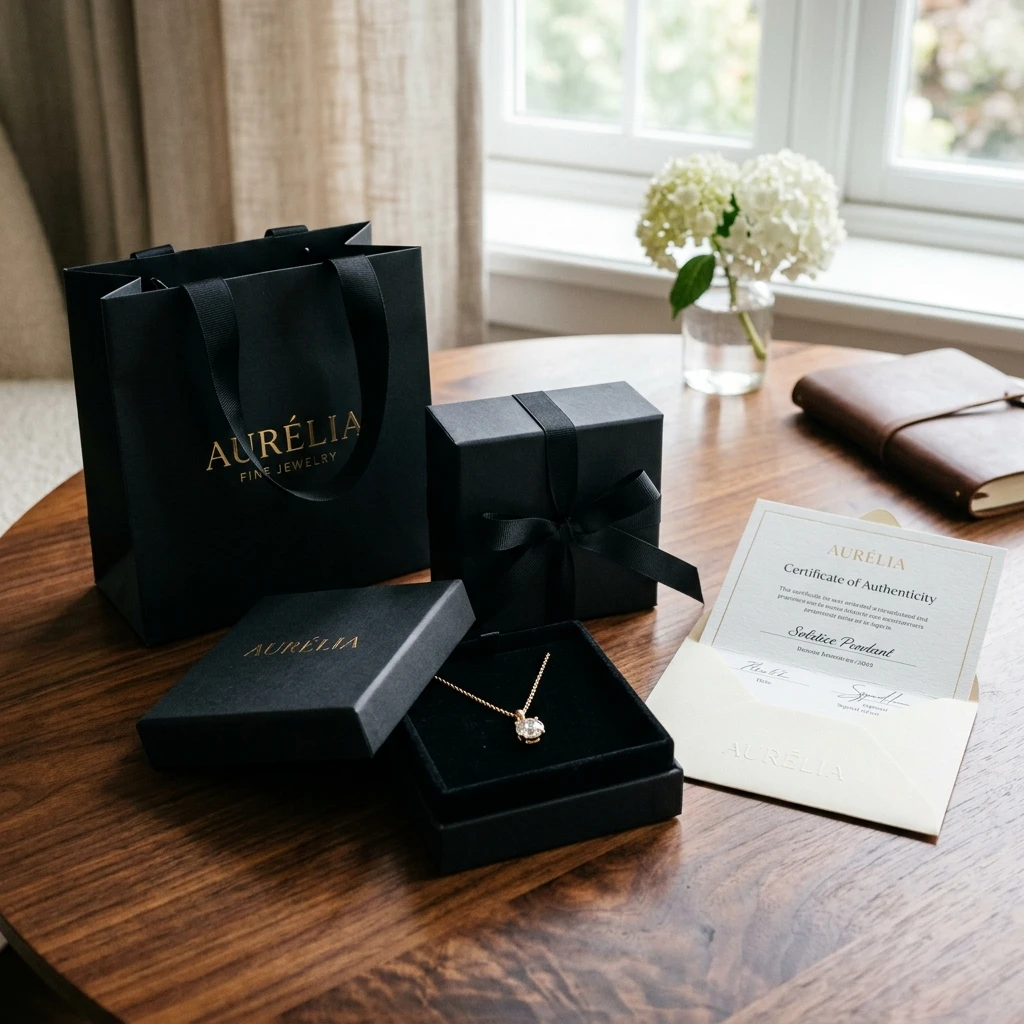
Luxury gold jewelry should be revealed in layers, building anticipation:
Outer Mailer: Branded, eco-friendly corrugated box.
Protective Sleeve: A soft-touch paper sleeve that protects the main box.
The Rigid Box: The weighted destination.
The Reveal: Opening the box to find the jewelry perfectly centered and illuminated.
Documentation: An "Authenticity Pocket" in the lid holding certificates and care instructions.
A logo should not just be printed; it should be felt. We recommend Raised UV Spot printing combined with Hot Foil Stamping. This creates a 3D effect that encourages the customer to touch the brand name, creating a deeper psychological connection.
The Client: LuxAurum, a boutique jeweler specializing in 22k gold bridal sets, shipping from Singapore to Europe and the US.
The Problem: A 12% "Damage/Scuff" rate on their high-polish gold bangles during international shipping. Their previous packaging used generic foam inserts that allowed the jewelry to shift, resulting in micro-scratches that required professional polishing upon arrival—at the brand's expense.
The Yu-Touch Solution:
Material Upgrade: Switched from generic velvet to high-density, non-abrasive microfiber.
Engineering Fix: Designed a dual-layer EVA insert with a "recessed lock" for the bangles. This prevented any lateral or vertical movement during transit.
Transit Testing: Conducted simulated drop tests and vibration tests to ensure the jewelry remained stationary.
The Results:
Damage Rate: Dropped from 12% to less than 0.5%.
Customer Sentiment: Post-purchase survey results showed a 30% increase in "Packaging Quality" ratings.
ROI: The $0.80 increase in unit packaging cost saved the brand over $15,000 annually in return shipping and re-polishing costs.
In 2026, luxury and sustainability are no longer at odds. B2B buyers are looking for "Conscious Luxury."
FSC-Certified Luxury Paper: Ensuring the outer wrap is sourced from responsibly managed forests.
Recycled Microfiber: Using GRS-certified (Global Recycled Standard) microfiber that maintains the softness of virgin material.
Zero-Plastic Goal: Moving toward molded paper pulp inserts that are flocked with natural fibers to mimic the look of velvet.
Q: Why is gold jewelry more sensitive to packaging materials than silver?
A: High-karat gold (22k/24k) is significantly softer on the Mohs scale than sterling silver. Lower-quality synthetic fabrics can actually cause micro-abrasions over time if the jewelry moves during shipping.
Q: What GSM should the outer gift bag be?
A: For a luxury set, the gift bag should be at least 250-300 GSM with reinforced handles. A thin bag will collapse under the weight of a 1200 GSM box, breaking the luxury illusion.
Q: How do anti-tarnish strips work inside the box?
A: These strips contain activated carbon or specialized polymers that absorb corrosive gases (like hydrogen sulfide) before they can react with the metal.
Q: What is the lead time for fully custom luxury boxes?
A: Typically 25-35 days for manufacturing in our Xiamen facility, plus shipping. We recommend a 4-month lead time before major holidays like Diwali or Christmas.
Sourcing luxury packaging for gold jewelry requires a manufacturer that understands both aesthetics and engineering. At Yu-Touch, our Xiamen-based facility specializes in high-end, low-tolerance packaging solutions. Whether you need custom-molded EVA inserts for heavy gold sets or specialized microfiber linings, we provide the technical expertise to ensure your product arrives safely and impressively.
By investing in the technical specs outlined in this guide—from 1200 GSM board to precision EVA inserts—you are not just buying a box; you are buying insurance for your brand reputation and a marketing tool that generates ROI with every unboxing.
Ready to elevate your gold collection?
View our Luxury Collection | Contact our Procurement Team for a 'Logistics-First' quote and sample kit today.
